Solo campaign
The classic route, with refined controls, modernized encounters and the original campaign's tension intact.
 Campaign Evolved NoticeFan discussion →
Play modes / 02
The remake is built around a broader combat sandbox: solo, co-op, vehicle mayhem and optional mission remixing.
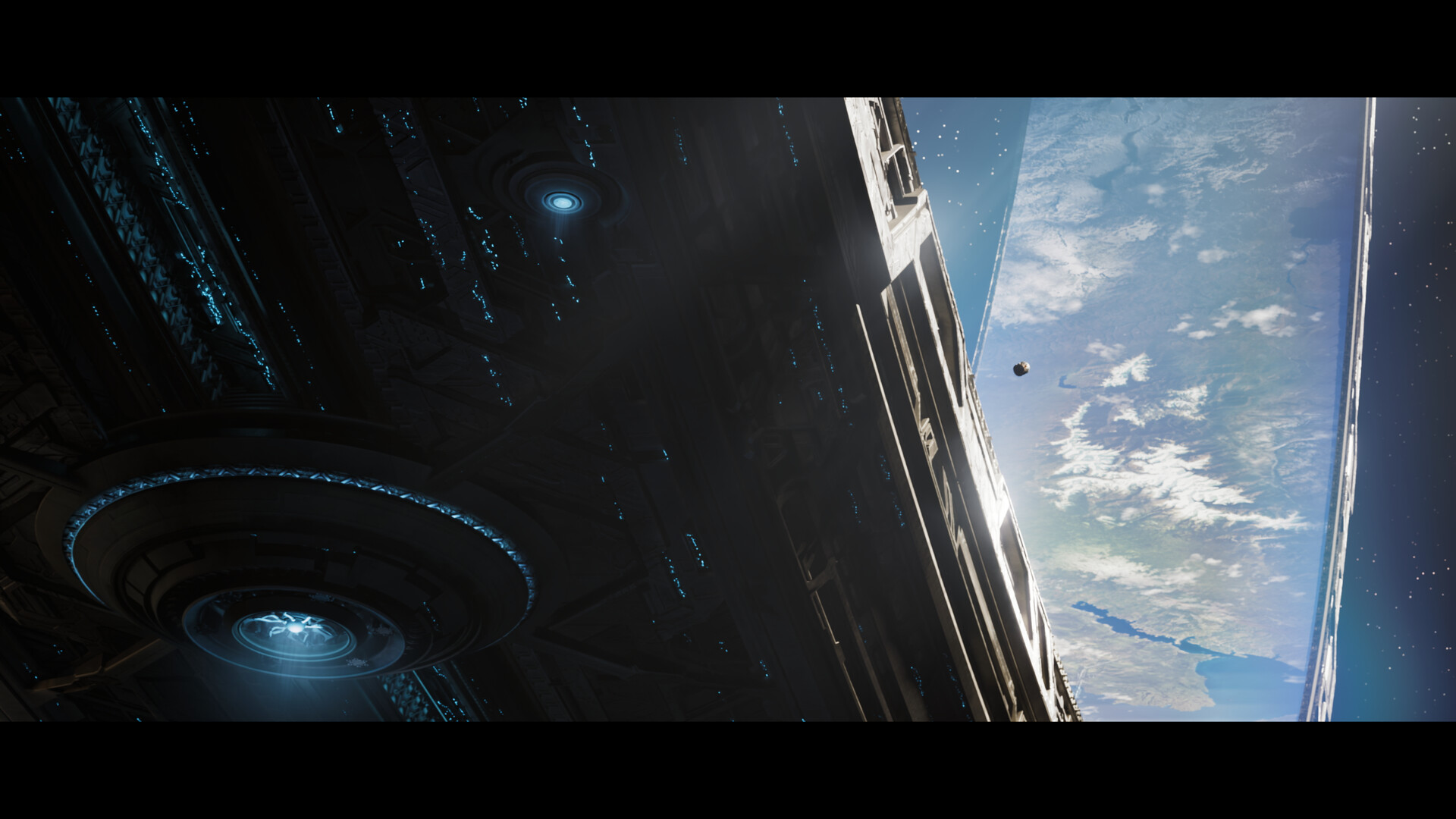
The classic route, with refined controls, modernized encounters and the original campaign's tension intact.
Online co-op supports cross-play and cross-progression, turning vehicles and open arenas into shared problems.
Optional modifiers change weapons, enemies and environments to make familiar missions replayable in unfamiliar ways.
Hijack enemy vehicles and take control of a drivable Wraith—new options inside the CE campaign.
Choose before you start
Solo play is the clearest way to read mission pacing because every recovery, weapon swap and vehicle decision belongs to one player. It is the best first route when you want to understand a space before adding the noise of a group. Co-op makes the same space social: a mistake can become a recovery story, but a disconnect or failed rejoin can also change the cost of a mission. The Community library keeps these reports separate so a reader can distinguish a design preference from a session-specific technical problem.
Choose modifiers after you understand the baseline. A Skull is useful when it asks you to revisit target priority, movement or resource use; it is less useful as a first explanation for a mission you have not yet read. The practical order is simple: learn the route solo or with a stable group, identify the decision that defines the encounter, then add one rule change and observe what it removes or creates.
Co-op evidence
Fans often describe co-op through the visible moments: vehicles, improvised rescues and a group finding a route together. That is valuable evidence of why a campaign clip travels, but it is incomplete evidence of reliability. A useful group should agree on host, session length, checkpoint expectations and what to do after a disconnect before starting a long run. If a player reports lost mission credit, a failed rejoin or a dark respawn, record the mission, party size, host and timing rather than repeating the report as a general verdict.
This approach gives readers a better result than a simple “co-op good” or “co-op broken” label. It preserves positive social reports, preserves technical exceptions, and gives a future update a clear place to add patch-specific context. It also prevents the site from presenting a fan anecdote as a laboratory result.
How to use this page
The feature list tells you what is available. This guide adds the practical question: what kind of campaign experience does each option encourage?
Solo play keeps the campaign's pacing and atmosphere in focus. Co-op turns the same spaces into a shared experiment in vehicles, positioning and recovery.
Skulls and expanded tools are most useful after a first pass, when you already know the encounter and want to see how its priorities can shift.
The most useful question is not simply which weapon is strongest. It is how cover, shields, enemy roles and vehicles change the decision you make next.